
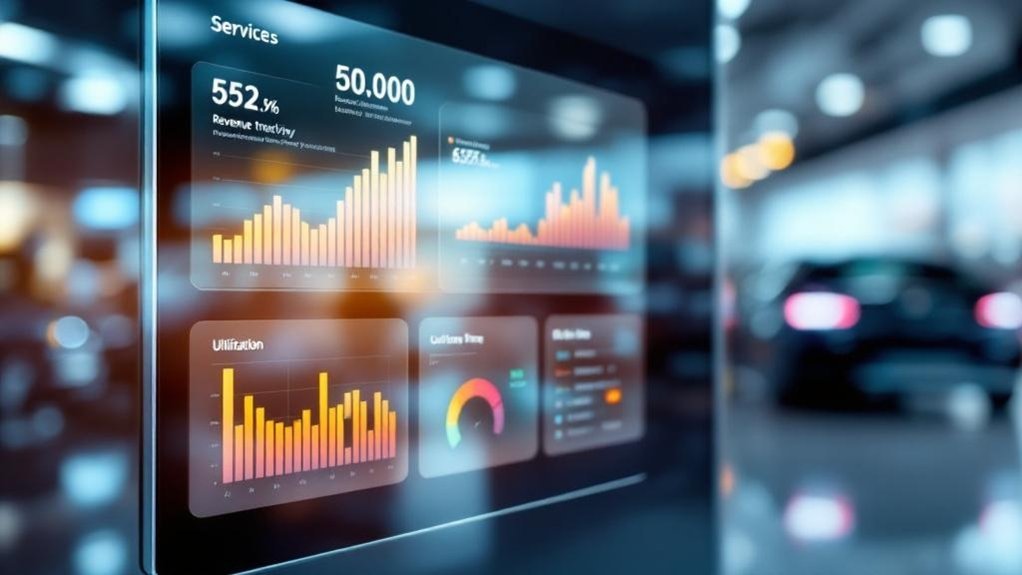
You can pull three high-impact, data-driven insights from your digital service menu to boost revenue and efficiency. First, identify which services and bundled offers drive repeat visits and higher transaction values. Second, analyze request timestamps and service types to uncover peak demand windows for smarter staffing and inventory. Third, segment customers by history and engagement to target upsells and promotions. These insights create measurable lift — keep going and you’ll uncover concrete tactics to implement.
Key Takeaways
- Identify top-selling services and bundles to prioritize promotions and adjust offerings for higher revenue.
- Detect peak demand windows to optimize technician staffing and reduce customer wait times.
- Segment customers by service history and behavior for targeted upsell and retention campaigns.
- Predict parts and inventory needs ahead of spikes to minimize stockouts and service delays.
- Measure upsell acceptance and real-time interaction rates to refine offers and increase average transaction value.
Which Services Drive Revenue and Repeat Visits
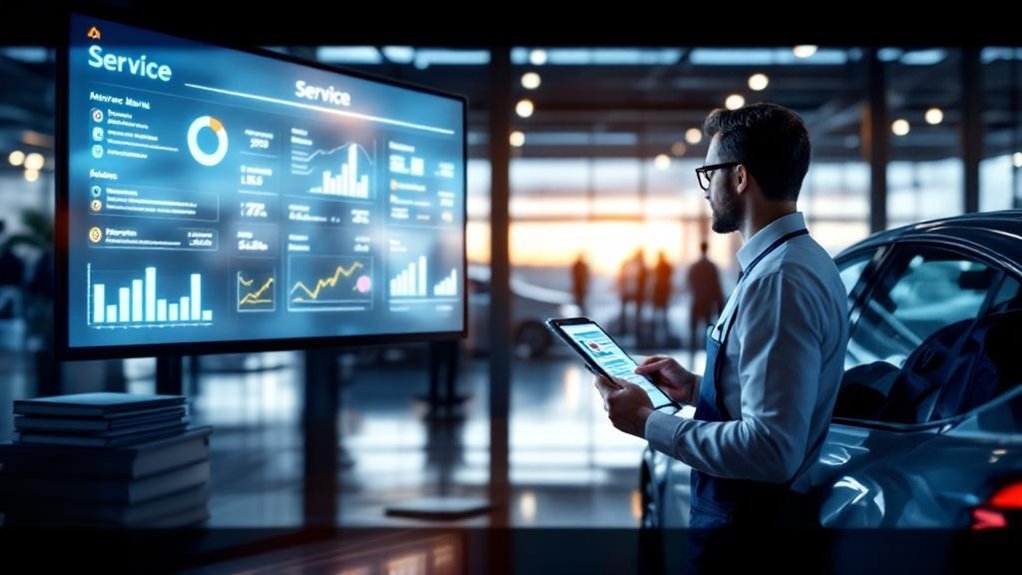
Understanding which services drive revenue and repeat visits starts with data: tailored service bundles and real-time analytics show you exactly what customers need and when. You’ll see revenue trends shift when service packages are personalized by vehicle history and interactive options raise acceptance rates. Real-time analytics flag high-demand services and promotions so you can adjust pricing and inventory quickly, boosting profitability. Targeted maintenance reminders and promotions create repeat visits and raise average transaction value by about 25%, while upsell rates climb over 30% with context-sensitive bundles. Use customer preference data to refine offerings, improving CSAT and loyalty. Strategically align service packages to demand signals, monitor revenue trends continuously, and iterate to maximize lifetime value without increasing marketing spend.
Peak Demand Windows and Staff Allocation Needs
Peak demand windows are visible in your service-menu data and they let you staff proactively rather than reactively—by mapping historical request spikes, real-time engagement dips and rises, and customer preference trends you can predict when bays, techs, and parts will be stressed and schedule people to match. Use peak analysis to convert patterns into staffing strategies that reduce wait times and increase throughput. Focus on timing, skill mix, parts inventory, and flexible shifts. Quick actions based on digital signals prevent bottlenecks.
Map peak demand from service-menu data to staff the right techs, parts, and shifts—prevent bottlenecks, cut waits.
- Track hourly and daily request volumes to define peak windows
- Align technician specialties to predicted service types
- Adjust parts stocking ahead of anticipated spikes
- Use real-time alerts to call in flexible staff
- Review seasonal trends for long-term schedule planning
Customer Segments, Preferences, and Upsell Opportunities

When you combine digital service menus with vehicle and service-history data, you can segment customers by behavior and needs to create targeted, context-sensitive upsell offers that actually convert. You’ll use analytics to map customer behavior, identify high-demand services, and tailor service customization that increases conversion rates and satisfaction. Real-time menu interactions reveal who’s likely to add services, driving a projected 25–30% lift in average transaction value and upsell rate. Build bundles based on vehicle data and past jobs, then deploy timely promotions through the dashboard to capture conversions. Monitor performance and refine segments for continuous improvement.
| Segment | Recommended Upsell |
|---|---|
| Frequent maintainer | Preventive bundle |
| Low engagement | Reminder + discount |
| High spend | Premium detail |
| Fleet | Priority package |
Frequently Asked Questions
How Might a Database Be Used by a Car Dealership?
You’d use a database to analyze customer preferences and optimize inventory management, enabling personalized recommendations, dynamic pricing, targeted promotions, faster service decisions, improved part stocking, reduced waste, and strategic upsells that boost revenue and retention.
What Is the Future of Car Dealerships?
Like a smart conductor, you’ll orchestrate dealerships that merge data, electric vehicles, and online purchasing into seamless experiences; you’ll use analytics to predict demand, personalize offers, optimize inventory, and pivot strategically for sustainability and profitability.
What Does a Car Salesman Have to Do With Data?
You use Sales Performance and Customer Analytics to shape pitches, prioritize leads, and craft personalized offers; you’ll analyze behavior, track conversion rates, and adjust strategy continuously so your selling’s more efficient, predictive, and revenue-focused.
Conclusion
Use your service menu data to prioritize what truly moves the needle: the top 20% of services that bring 80% of revenue and repeat visits. Spot peak windows — if 40% of bookings fall between 8–11 a.m., staff and bays there to cut wait times and increase throughput. Segment customers to tailor offers and upsells, turning occasional buyers into loyal repeaters. Act on these insights and your service floor becomes a predictable profit engine.