

Use a clear, itemized digital service menu to show standardized pricing, parts, labor, taxes and bundle savings so customers see what they’ll pay and why. Offer real‑time job status and secure, multi‑option payments to cut uncertainty and speed transactions. Highlight loyalty rewards and personalized packages based on vehicle history to boost repeat visits. Keep pricing synced across channels and audit regularly for fairness. Keep following for practical steps and an implementation roadmap to get this live.
Key Takeaways
- Display transparent, itemized pricing for labor, parts, and taxes so customers see exactly what they pay for.
- Offer clear service packages and bundle savings to highlight value and simplify decisions.
- Provide real-time vehicle status updates and progress notifications to reduce uncertainty.
- Integrate secure, multi-method payment options with permission-based access for convenience and safety.
- Use loyalty incentives and personalized recommendations based on customer history to encourage repeat visits.
Key Benefits of a Digital Service Menu for Dealerships

Transparency matters: a digital service menu gives your customers clear, consistent pricing and service breakdowns that build trust—96% of customers value that clarity and are far more likely to stick with a dealership that shows exact costs. You’ll boost customer engagement by offering an itemized view that matches quotes and final invoices, cutting disputes and increasing repeat visits by about 80%. Service transparency also lets you present packages and loyalty programs clearly, driving up to 30% more revenue from returning clients. When you update the menu regularly, you stay competitive and responsive to preferences, which further reinforces reliability. In short, a digital menu turns transparent pricing into measurable trust, higher retention, and predictable revenue growth.
Designing Clear and Transparent Pricing Displays
Now that you’ve seen how transparency builds trust and repeat business, designing clear pricing displays makes that trust visible and actionable. You’ll use transparent pricing to show standardized service costs, reducing confusion: 96% of customers value clear pricing, which directly supports customer loyalty and retention. Consistent displays prevent invoice surprises and help customers compare options quickly, improving decision quality and satisfaction. Make sure breakdowns list labor, parts, and taxes so quotes match final bills. Regular audits eliminate discrepancies across channels, reinforcing fairness and reliability. Use the table below to present a concise example layout for a service item.
| Item | Labor | Parts |
|---|---|---|
| Oil Change | $40 | $20 |
| Tire Rotation | $30 | $0 |
| Brake Pad Replacement | $120 | $80 |
Showcasing Service Packages and Loyalty Programs
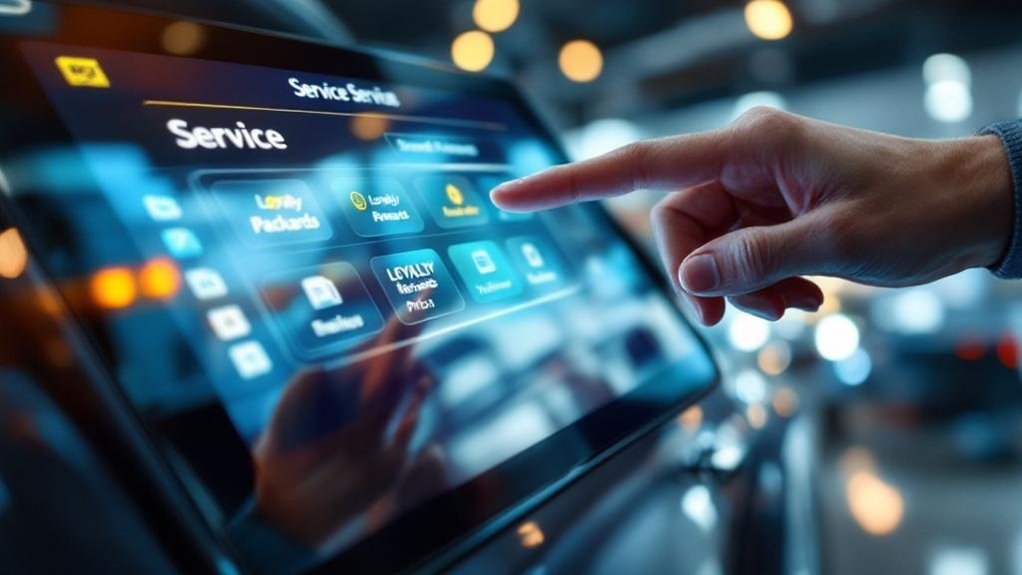
When you present well-structured service packages and loyalty programs in your digital menu, customers can quickly see the savings and benefits of bundling routine maintenance or repairs, which boosts confidence and encourages larger repair orders. You should display clear service package benefits—itemized tasks, bundled pricing, and percent savings—so shoppers can compare options and choose confidently. Highlighting discounts and timed offers on bundles increases interest and raises average repair order sizes. Integrate loyalty program incentives visibly: points per visit, tiered rewards, and member-only discounts. Data shows rewarding repeat business can lift revenue by about 30%, so promote retention metrics alongside plans. Organized, transparent presentation reduces confusion, fosters trust, and drives regular maintenance visits that deepen long-term dealership relationships.
Integrating Real-Time Updates and Payment Processing
You’ll get live service status updates so customers can track repairs and arrivals in real time, which reduces uncertainty and support calls. Pairing that visibility with secure instant payments cuts average transaction time and increases throughput, improving shop efficiency. Use multi-method payment support and strong encryption to keep conversions high while protecting customer data.
Live Service Status
Because real-time updates tie repair progress and payment into one platform, you’ll get a clear, data-backed view of your vehicle’s status and expected completion time without guessing or calling the shop. With live tracking and timely customer notifications, you can see when diagnostics start, parts arrive, and work finishes — each timestamp reduces uncertainty and builds trust. The menu shows current pricing and promotions so decisions are informed and quick. Instant schedule changes are pushed automatically, preventing surprises and lowering service bay idle time. By combining status visibility with streamlined payment options, dealerships cut wait times and boost operational efficiency, letting technicians focus on repairs while you monitor progress and approve next steps from your device.
Secure Instant Payments
Although real-time service updates are valuable on their own, combining them with secure instant payments transforms the customer experience by cutting in-shop wait times and simplifying checkouts. You’ll reduce average wait time through real-time payment processing that completes transactions as work is approved, and you’ll offer flexible options—credit cards, digital wallets—so customers pay how they prefer. Advanced encryption and tokenization guarantee secure transactions, while automated payment verification confirms funds and receipts instantly, improving throughput and trust. Real-time status feeds linked to payment systems let customers see repair progress and billing changes concurrently, lowering disputes. Operationally, this seamless integration frees staff to focus on service and engagement, while measurable reductions in wait time and increased satisfaction validate the investment.
Personalization and Customization for Better Customer Experiences
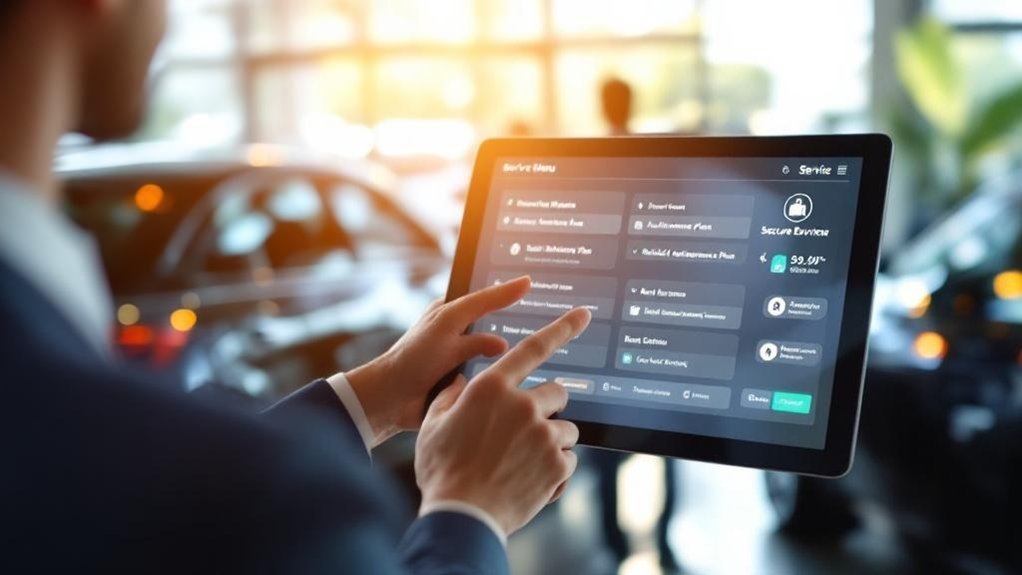
When dealerships use customer data to create personalized service packages, you’ll see higher engagement and a clearer sense of value — tailored recommendations make offerings more relevant, let customers pick services that match their needs, and build trust by showing you understand each vehicle’s maintenance history. You’ll use data-driven insights to boost customer engagement and deliver tailored recommendations that feel relevant. Customization options let customers choose specific services and promotions, increasing satisfaction and repeat visits. Clear, personalized communication reinforces trust and ownership of the service experience. Use metrics to track uptake, repeat business, and satisfaction to refine offers.
| Service Type | Example Offer | Customer Benefit |
|---|---|---|
| Oil Change | Scheduled deal | Convenience |
| Tire Care | Bundle promo | Safety |
| Inspection | History-based | Peace of mind |
Ensuring Consistent Pricing Across Channels
If your digital service menu shows the same prices customers see in quotes and at checkout, you’ll cut disputes and build trust: consistent, transparent pricing makes it easy for customers to compare services, plan maintenance, and feel confident they’re being treated fairly. You’ll strengthen pricing consistency and improve customer perception by aligning rates across web, app, and in-dealership displays. Clear, standardized pricing reduces invoice surprises and increases repeat business.
- Publish identical service prices on all channels to eliminate discrepancies.
- Show line-item breakdowns so customers can compare costs quickly.
- Update menus in real time to prevent outdated quotes.
- Log and communicate price changes to maintain transparency.
These steps deliver measurable gains in satisfaction and loyalty.
Leveraging Data and Analytics to Improve Offerings

Use analytics to spot usage patterns in your digital service menu so you can see which services customers choose, when they book, and where drop-offs occur. With that data you can build predictive service recommendations that suggest the right package at the right time, increasing relevance and conversion. Regularly feeding feedback and service history into these models helps you keep recommendations accurate as customer needs change.
Usage Pattern Insights
Although the raw clicks and time-on-page might look like simple metrics, they tell you which services customers actually want, when they look for them, and how they prefer them packaged. You can turn those signals into actionable usage trends and clearer insights into consumer behavior, refining menu structure and offerings. Regularly review patterns to catch shifts and respond quickly.
- Identify top-requested services and adjust prominence
- Monitor peak inquiry times to align staffing and promotions
- Track bundled services to design targeted discounts
- Use feedback loops to test and iterate package options
This data-driven approach helps you personalize offers, improve satisfaction, and boost repeat business while keeping menus aligned with real demand and changing preferences.
Predictive Service Recommendations
Predictive service recommendations turn historical vehicle data and real-time usage patterns into timely, personalized suggestions that help you avoid breakdowns and keep customers coming back. You’ll use analytics to convert vehicle history and customer behavior into service predictions that anticipate maintenance needs before they escalate. By analyzing preferences and service trends, you can tailor packages that match local demand and boost perceived relevance. Integrating these recommendations into your digital service menu lets you proactively present must-do items, reducing surprise repairs and improving satisfaction. Data-driven insights also let you optimize pricing and bundling, increasing repeat business while positioning your dealership as a trusted maintenance partner. Implementing clear, measurable service predictions makes your offering smarter and more customer-centric.
Security, Multi‑Device Compatibility, and Data Privacy
When you access a digital service menu, you’ll notice it relies on strong encryption and permission-based access to keep your data confidential and reduce verification errors. You’ll see data encryption and access control applied across devices, so your info stays consistent and secure whether you use a phone, tablet, or desktop. Regular updates and API integrations with shop management systems further reduce mismatches and unauthorized access.
- Robust encryption protects transaction and personal data end-to-end.
- Permission-based access limits who can view or edit records.
- Cross-device compatibility guarantees accurate, real-time information.
- Routine maintenance and secure APIs demonstrate privacy commitment.
You’ll feel more confident knowing these measures diminish verification errors and support transparent, reliable service interactions.
Implementation Roadmap and Best Practices
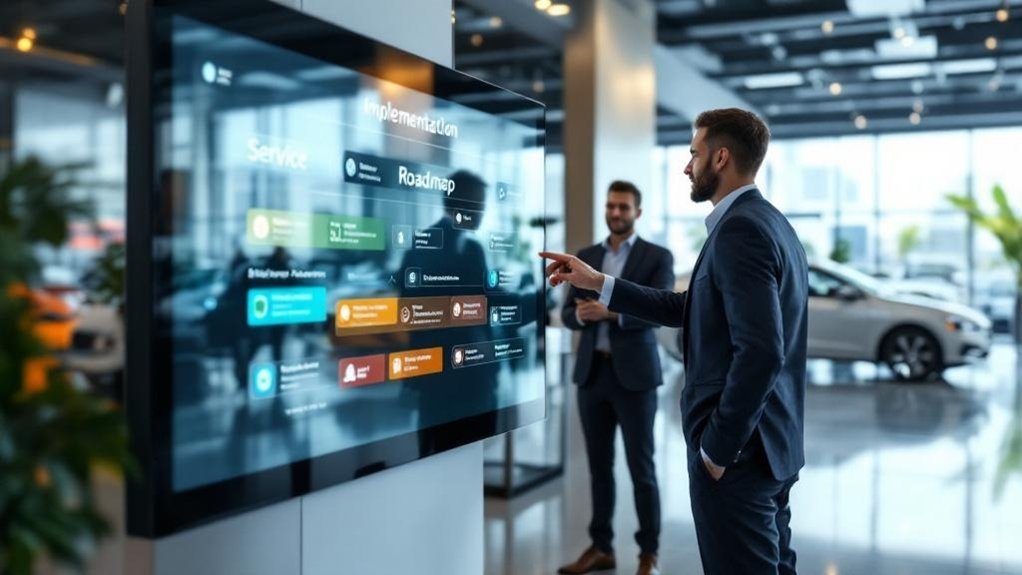
Because a clear, up-to-date digital service menu directly boosts customer trust and retention, your implementation roadmap should prioritize transparency, staff training, and data-driven updates from day one. Start by mapping services, OEM-aligned pricing, and data flows for digital menu integration so customers see consistent, accurate costs — this transparency can increase trust by 96%. Train technicians and service advisors on menu use and scripts that reinforce clarity; well-trained staff improve engagement. Schedule regular reviews using customer feedback and usage analytics to adapt services and promote loyalty programs, which can lift retention up to 30%. Launch in phases: pilot, measure KPI changes, iterate, then scale. Maintain update cadence and governance to keep the menu relevant and competitively aligned.
Frequently Asked Questions
What Is the Four Square Trick at a Car Dealership?
The four square trick is a dealership pricing tactic where salespeople juggle price, trade‑in, down payment and monthly payment to obscure true cost; you’ll want transparent numbers and clear breakdowns to avoid being misled.
What Is a Red Flag in a Dealership?
A red flag in a dealership is a flashing siren: it shows unethical practices and hidden fees, meaning you’ll face inconsistent pricing, vague repair explanations, high-pressure tactics, and poor transparency — data suggests these erode customer trust.
How to Get More Customers in a Car Dealership?
You’ll get more customers by boosting customer engagement, offering service transparency with clear digital menus, promoting loyalty programs, showcasing value-packed packages, updating offerings regularly, and using data-driven marketing to target prospects and improve retention.
Which Step of the Sales Process Helps the Customer to Enhance Their Trust in the Car?
The demonstration/validation step best helps you enhance trust in the car: focused customer engagement, transparent facts, real-time service history, and consistent pricing drive trust building, backed by data showing clarity boosts confidence and repeat business.
Conclusion
You’ve seen how a digital service menu boosts transparency, speeds payments, and sharpens offerings with data — so adopt it and build trust. Remember, “trust takes years to build, seconds to break,” so make pricing clear, personalized, and consistent across devices. Use real-time updates, analytics, and secure payments to keep customers coming back. Start small, measure impact, iterate fast, and you’ll turn convenience into loyalty and measurable revenue gains.