
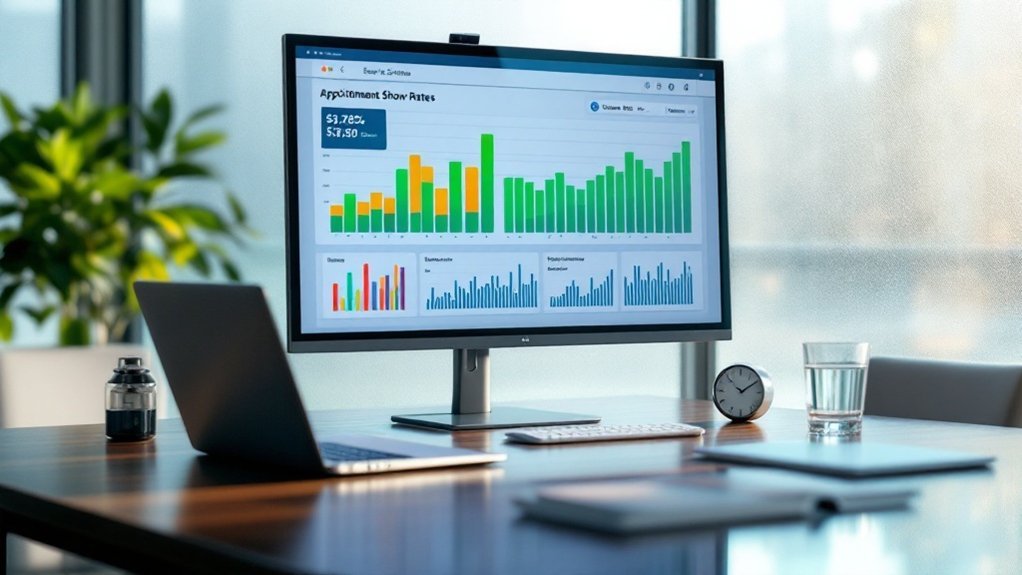
You need a simple tracker that turns scheduled service appointments into real visits and boosts your show rate to 75–80%. Track daily scheduled vs. attended appointments, calculate show rate (attended ÷ scheduled ×100), and log confirmations and outcomes. Automate texts/calls 48–72 hours ahead, offer flexible slots, and follow up missed visits for rescheduling. Coach advisors using trend data and compare to team averages to target improvements — keep going for specific tools and scripts that make this repeatable.
Key Takeaways
- Track daily scheduled vs. attended appointments per advisor and calculate show rate (attended ÷ scheduled × 100).
- Automate confirmation reminders (texts/emails) 48–72 hours before appointments to boost show rates.
- Display advisor-level show rates on a dashboard for comparison, coaching, and trend monitoring.
- Flag missed appointments for immediate follow-up calls and quick rescheduling to recover lost visits.
- Set a 75–80% team target, use data-driven coaching, and report progress weekly to sustain improvements.
Why Appointment Show Rates Matter for Service Advisors

Because appointment show rates directly affect both productivity and customer satisfaction, you need to treat them as a core performance metric; hitting a 75–80% show rate signals that your scheduling, confirmations, and follow-ups are working, while low rates waste technician time, inflate costs, and lower CSI. You’ll focus on appointment conversion and customer engagement by using timely reminders—texts and emails—to cut no-show occurrences. As service advisors, you’ll use these performance metrics to diagnose weaknesses and boost service department efficiency. Higher show rates drive customer satisfaction and reduce idle labor. Train staff with targeted training programs that emphasize scripting, follow-up cadence, and digital outreach. When you prioritize show-rate improvement, you convert more bookings into completed work and strengthen long-term loyalty.
How to Track and Calculate Show-Rate Metrics
When you track show-rate metrics consistently, you’ll get a clear, actionable measure of how many scheduled appointments actually turn into customer visits—divide attended appointments by total scheduled appointments and multiply by 100, aiming for that 75–80% sweet spot. Use a simple dashboard to log appointments, customer attendance, and outcomes daily so tracking metrics becomes routine. Schedule automated confirmation calls or texts 48–72 hours prior to reduce no-shows and boost reliability. Segment data by day, advisor, and service type to spot trends and apply flexible scheduling where demand peaks. Collect brief feedback from no-shows to understand barriers and refine processes. Review weekly, set targets, and tie results to coaching so you can enhance scheduling and steadily raise your show rate.
Common Causes of Low Show Rates and Quick Fixes
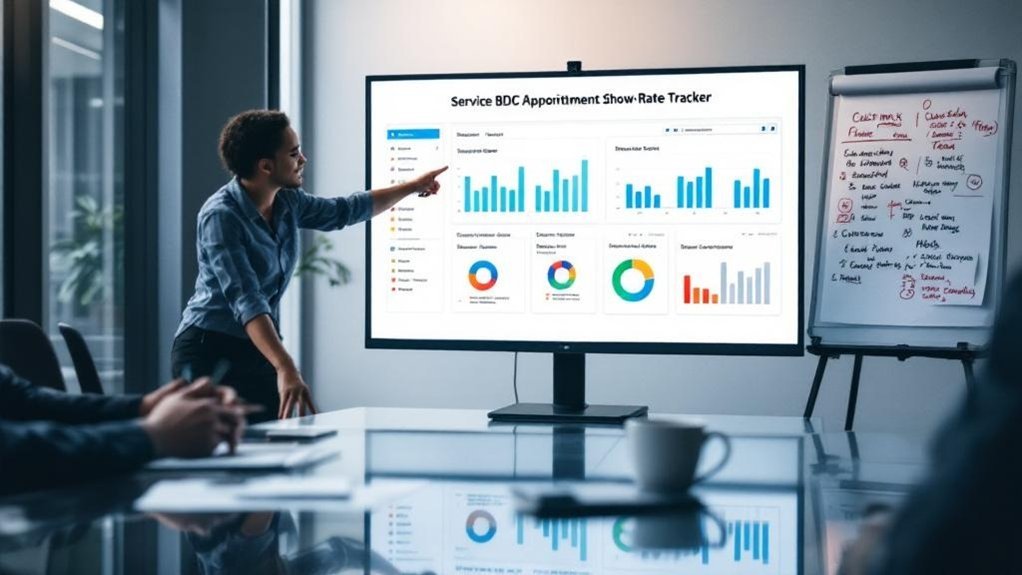
If your show rates are stuck around 60–75%, it usually comes down to unclear expectations, weak reminders, and scheduling that doesn’t fit the customer—issues you can fix fast. You’re likely losing appointments because customers don’t know what to expect during service appointments or forget them. Add confirmation reminders via text and email, and use BDC software to automate that outreach. Offer flexible appointment times to match customer availability and reduce no-shows. Do follow-up calls after missed visits to learn why they didn’t come and apply those learnings to communication improvements. These quick fixes boost appointment show rates and enhance customer engagement, which protects customer retention and frees your team to focus on quality service rather than chasing no-shows.
Strategies Advisors Can Use to Improve Appointment Attendance
Although a few simple shifts in how you schedule and communicate can lift show rates dramatically, advisors need a clear, repeatable playbook that combines automated reminders, flexible booking, and purposeful follow-up. You should deploy text and email reminders to boost appointment show rates by up to 30%, and offer flexible appointment times so customers can pick what fits their day. Train on communication techniques that set expectations at booking, then use follow-up calls to answer questions and reduce no-shows. Track confirmations to create accountability and escalate unconfirmed slots for quick rescheduling. These steps raise attendance and improve customer satisfaction by making service predictable and respectful of customers’ time. Consistent execution turns tactics into measurable CSI gains.
Using Data to Coach Advisors and Sustain Higher Show Rates

Start with a clear, measurable goal—aim for a 75–80% show rate—and use your show-rate tracker to turn raw appointment data into coaching moments. You’ll monitor appointment show rates and customer attendance trends, link scheduling methods to outcomes, and prioritize automated reminders to boost show rates.
- Compare advisor performance against the team average to design targeted coaching that spreads best practices.
- Use data on missed appointments to trigger consistent communication: follow-up calls can recover lost business.
- Test appointment scheduling methods and measure impact on engaging customers, then standardize what works.
- Automate reminders (text/email) and coach presentation techniques to sustain higher show rates and improve customer attendance.
Frequently Asked Questions
How Many Calls a Day Should a BDC Agent Make?
You should aim for about 140 calls daily. Use BDC call volume targets with daily call strategies, effective call techniques, appointment booking tips, call follow up methods, managing call lists, tracking call success, overcoming call objections, optimizing call scripts, improving call efficiency.
Do Service Advisors at Car Dealerships Make Commission?
Yes — like clockwork, you’ll earn commission: dealership commission structures tie commission rates to revenue generation, sales incentives and performance metrics, linking service advisor roles, training programs, customer satisfaction and dealership profit margins to industry standards.
What Is the Highest Paid Position at a Car Dealership?
The highest paid role is typically the General Manager or Dealer Principal; you’ll see highest paid salaries in dealership management after salary comparison, driven by automotive sales, service department oversight, financial incentives, job responsibilities, career advancement and industry trends.
What Is a Bdc Appointment Setter?
Like a coach who turns practice into wins, you’re a BDC appointment setter who uses BDC appointment strategies, Effective communication, Appointment follow ups, Lead conversion techniques, Customer relationship management, Performance metrics analysis, Training best practices, Appointment scheduling tools, Overcoming objections, Building rapport.
Conclusion
You’re not just chasing numbers — you’re preserving workflow, revenue, and reputation. Boosting show rates isn’t a small tweak; it’s the difference between humming efficiency and chaotic downtime. Track diligently, fix the quick leaks, coach with data, and use smart strategies to turn flaky appointments into reliable revenue. Do that, and you won’t just improve metrics — you’ll transform your service floor into a predictable profit machine people actually respect.